



Bringing home a kitten comes with plenty of small decisions, from choosing food to finding a comfortable place for them to sleep. Vaccinations deserve a place near the top of that list. If you have adopted an adult cat, checking their vaccination history is just as important.
Understanding the Cat Vaccination Schedule in Abu Dhabi helps you plan appointments, avoid missed doses and keep reliable health records. The right schedule depends on your cat’s age, previous vaccinations, health and lifestyle. A kitten starting its first course will need a different plan from an adult cat with documented vaccinations.
This guide explains the usual timing, what to discuss with your veterinarian and how to prepare for each visit.
When Should Kittens Start Vaccinations?
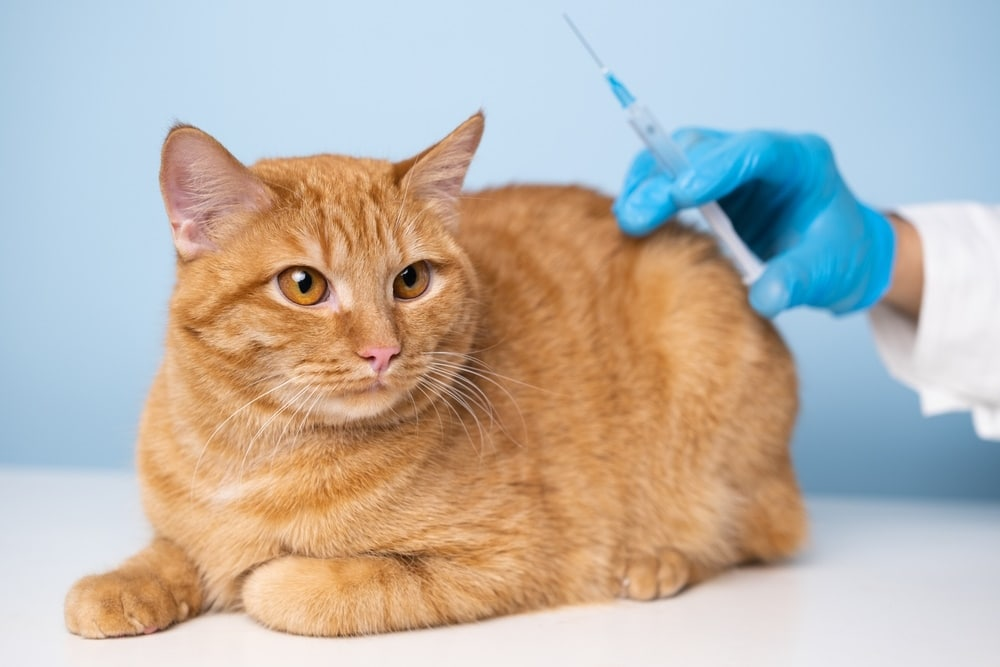
Kittens generally begin their core combination vaccinations at 6–8 weeks of age, with further doses every 2–4 weeks until at least 16 weeks of age. Your veterinarian may adjust the schedule according to the kitten’s circumstances.
Repeated doses matter because antibodies received from the mother can interfere with a kitten’s response to vaccination. Their levels vary, so one early injection cannot reliably complete the course. WSAVA also recommends a further core dose at 26 weeks of age or older to help close this potential gap in protection.
If you adopt a kitten partway through its course, bring the original vaccination record to your first appointment. The dates and vaccine names help the veterinarian decide what is due next.
Cat Vaccination Schedule in Abu Dhabi: A Practical Guide
Use this table to understand the stages of vaccination. Your veterinarian should confirm the actual dates and products for your cat.
| Age or stage | Usual vaccination discussion |
|---|---|
| 6–8 weeks | Begin the core feline combination vaccine course. |
| Every 2–4 weeks afterwards | Continue the kitten course until at least 16 weeks of age; some kittens need doses beyond this point. |
| 26 weeks of age or older | Give the additional core dose recommended by WSAVA. |
| Rabies vaccination | Schedule according to the vaccine’s approved minimum age, product instructions and applicable local requirements. |
| Adult cats | Review previous records, exposure risks and vaccine-specific booster dates. |
| Unknown vaccination history | Arrange an assessment and an appropriate catch-up plan. |
The table is a planning guide rather than a prescription. Rabies timing and adult boosters require separate consideration; they should not automatically follow the same dates as the kitten combination vaccine.
Which Vaccines Does Your Cat Need?
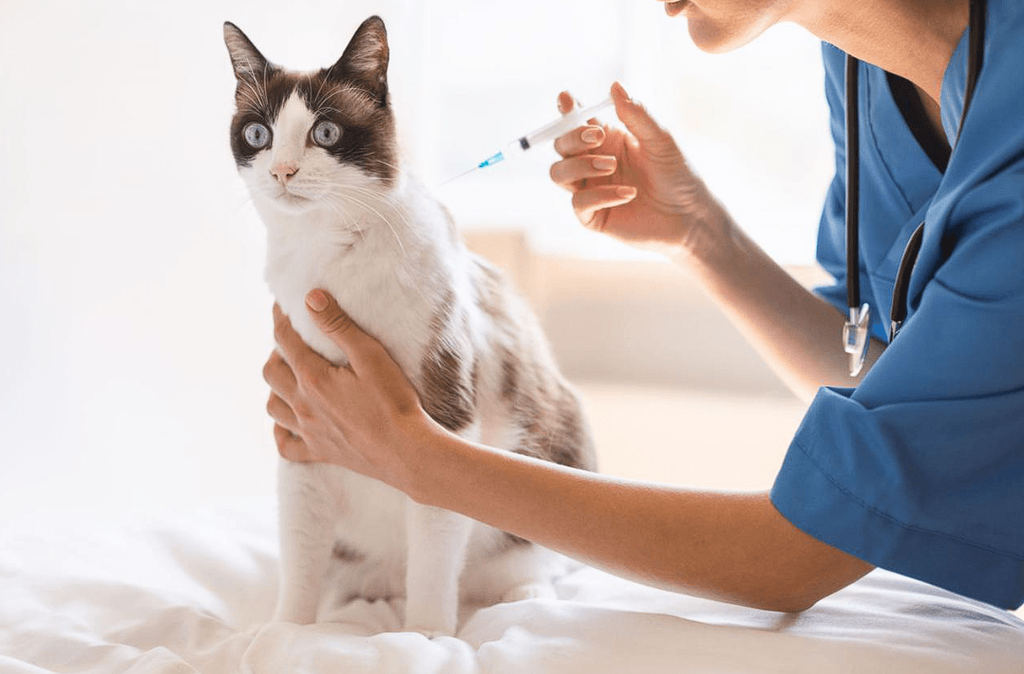
Core feline combination vaccine
Often called FVRCP, this combination covers feline herpesvirus, feline calicivirus and feline panleukopenia virus. These are central to routine feline vaccination planning.
Rabies vaccine
Ask your veterinarian when the first rabies vaccination is due and how its validity should be recorded. Keep the certificate with your cat’s other health documents, particularly if you anticipate travel.
Feline leukaemia virus vaccine
Feline leukaemia virus, or FeLV, needs its own discussion. Age and contact with other cats influence the recommendation. AAHA/AAFP guidance considers FeLV vaccination core for cats younger than one year, with recommendations for older cats based on exposure risk. Your veterinarian can explain whether testing and vaccination are appropriate.
Other vaccines are selected for particular circumstances rather than given routinely to every cat.
Do Indoor Cats Need Vaccinations?
Living indoors should be part of the vaccination discussion, but it does not automatically remove the need for core protection.
Tell your veterinarian whether your cat ever escapes outdoors, stays in boarding accommodation or shares a home with cats that go outside. Mention any plans to adopt another cat, too. These details help the team assess exposure and choose an appropriate plan.
The aim is to give the vaccines your cat needs at suitable intervals. AAHA’s feline vaccination guidance supports individual planning based on age and lifestyle rather than using one schedule for every household.
What Happens if Your Cat Misses a Vaccination?
A missed appointment does not give you enough information to decide whether the entire course needs restarting. Contact the clinic with your cat’s vaccination record and ask for a catch-up assessment.
The veterinarian will need to know:
- Your cat’s age.
- Which vaccines were previously given.
- The dates of those doses.
- Whether the original course was completed.
- Any changes in health or exposure.
If you have adopted a rescue cat without reliable paperwork, explain that clearly. An uncertain history is something the veterinarian can plan around; guessing vaccination dates makes that harder.
How Often Do Adult Cats Need Boosters?
An annual health appointment does not necessarily mean every vaccine must be repeated annually. Booster intervals depend on the vaccine, its product instructions, your cat’s circumstances and applicable requirements.
Ask the clinic to record each vaccine’s next due date separately. This is more useful than a general reminder saying only “vaccinations due.”
Bring up changes in lifestyle at each review. A cat that previously stayed at home may now need boarding while you travel, for example. That change deserves a fresh discussion before the booking date. Feline vaccination guidance distinguishes between core protection and vaccines selected according to risk.
Preparing for a Vaccination Appointment
A little preparation makes the visit more useful. Bring your cat’s vaccination booklet, previous medical records and a list of current medicines. Tell the team about any previous vaccine reaction or recent change in appetite, energy or behaviour.
Use a secure carrier and ask the clinic whether any specific preparation is needed. Before leaving, check that you understand:
- Which vaccines were administered.
- What to watch for afterwards.
- When to contact the clinic.
- The date of the next appointment.
For Pet Vaccination in Abu Dhabi, Crystal Vet Clinic describes vaccination planning based on age, health, lifestyle and previous records. Its services cover both kittens and adult cats. Cat & Dog Vaccines
Planning Vaccinations Around Boarding and Travel
Check vaccination paperwork before confirming boarding or travel arrangements. Ask the boarding provider which records it needs and how far in advance vaccinations must be completed. For international travel, confirm the destination’s current entry requirements separately.
When researching local pet-care options, you can review Best Pet Veterinary Clinic and Pet Pavilion. Contact providers directly to clarify their services, appointment availability and documentation requirements. Their websites should complement a veterinary consultation rather than determine your cat’s schedule. Expert Pet Care & Surgery
Managing Vaccinations in a Household With Cats and Dogs
If you also need dog vaccination in Abu Dhabi, keep separate records and reminders for each animal. A shared household does not mean your pets need identical vaccines or appointment dates.
When booking, explain that you have both cats and dogs and ask whether appointments can be coordinated. Crystal Vet Clinic lists vaccination services for both species, with recommendations based on each pet’s individual requirements. Cat & Dog Vaccines
Arrange Your Cat’s Vaccination Review
A clear vaccination plan should leave you knowing what your cat has received, what is due next and whom to contact with questions.
To review your Cat Vaccination Schedule in Abu Dhabi, contact Crystal Vet Clinic with your cat’s age and available vaccination records. Ask for an individual plan and written due dates so you can keep future appointments on track.
FAQs
1. When should kittens start vaccinations?
Kittens usually start at 6–8 weeks, with repeat doses every 2–4 weeks until at least 16 weeks old.
2. Do indoor cats need vaccinations?
Yes. Indoor cats still need core vaccinations, with a schedule tailored to their age, health and lifestyle.
3. Do cats need every vaccine annually?
No. Booster timing varies by vaccine, exposure risk and local requirements. Your vet will confirm each due date.
4. What if my cat misses a vaccination?
Contact your vet with the vaccination record. They will assess whether a booster or catch-up course is needed.